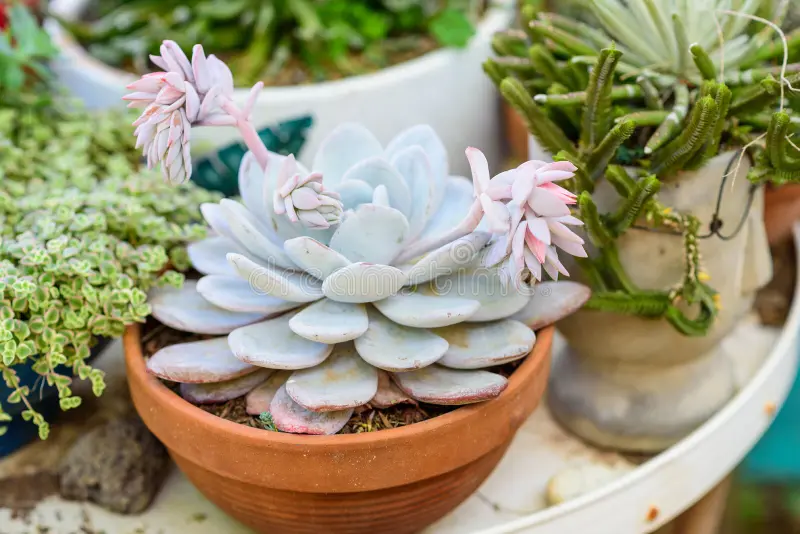
Succulents have taken the USA by storm, blending effortless beauty with resilience in a fast-paced world. With over 58 million households purchasing indoor plants in 2024 and nearly 46% opting for at least one succulent, these water-wise wonders dominate 32% of the global market. As we head into 2026, the succulent market is projected to grow at a robust 18.6% CAGR, reaching new heights with eco-conscious consumers driving demand for sustainable, statement-making varieties. Whether you’re in the arid Southwest or the humid Southeast, this guide covers everything—from basics to cutting-edge trends—to help your succulents thrive.
What Are Succulent Plants?
Succulents are drought-adapted plants that store water in their thick leaves, stems, or roots, originating from arid regions worldwide. This adaptation makes them low-maintenance stars for busy Americans, thriving in diverse climates from California’s coastal zones to Arizona’s deserts. They come in endless forms: rosette-shaped beauties, trailing vines, and towering cacti-like structures, adding texture and color to any space.
Popular Varieties and New Hybrids in the USA
The USA’s succulent scene is booming with classics and fresh hybrids. Staples like Aloe Vera (for its soothing gel), Echeveria (rosette elegance), Sedum (versatile groundcovers), Haworthia (shade-loving gems), and Crassula (the iconic Jade Plant) remain favorites. But 2026 spotlights bold innovations.
New hybrids from breeders like Proven Winners include Supertunia Vista® Cool Jazz™ (a vibrant crossover) and Superlophus™ Sunglow, emphasizing larger, variegated forms. Statement succulents like Tree Houseleek, Crassula ‘Buddha’s Temple’, African Milk Tree, Spiral Aloe, and Variegated String of Pearls are trending for their dramatic sizes and shapes. Rare varieties like Hoyas and Peperomias gain traction for their low-care appeal, while cold-hardy options like Yucca ‘Dragon Slayer’ suit northern growers.
| Variety | Key Features | Best USA Region |
|---|---|---|
| Aloe Vera | Medicinal, upright | Southwest (AZ, CA) |
| Echeveria | Rosettes, colorful | Nationwide indoors |
| African Milk Tree | Tall, branching | South (FL, TX) |
| Yucca ‘Dragon Slayer’ | Cold-hardy, spiky | North (Zones 6+) |
| Hoyas | Vining, easy-care | Humid East Coast |
Care Instructions: Tailored to USA Climates
Succulents need bright indirect light, well-draining soil, and infrequent watering—let soil dry fully between sessions to mimic their desert origins. Use cactus mix and pots with drainage. Fertilize sparingly in spring/summer with a balanced, diluted formula.
Adapt care by region:
- Southwest (AZ, NM, CA Zones 9-11): Full sun outdoors; minimal water (every 2-3 weeks). Protect from intense heat waves above 100°F with shade cloth.
- Southeast (FL, GA Zones 8-10): High humidity? Use fans for airflow; indirect light to prevent rot. Water weekly in humid summers.
- Northeast/Midwest (NY, IL Zones 5-7): Grow indoors or in greenhouses; hardy types like Sempervivum survive winters down to -20°F. Move tenders inside before frost.
- Pacific Northwest (WA, OR Zones 7-9): Rainy? Elevate pots; opt for drought-tolerant like Sedum. Supplemental grow lights in cloudy winters.
- General Tip: Check your USDA zone—most succulents thrive in Zones 9+, but cold-hardy ones handle Zone 4.
Scientific Propagation and Hybridization Techniques
Go beyond basics with science-backed methods. Propagate via leaf cuttings: Remove a healthy leaf, let callus for 2-3 days, place on soil, mist lightly—roots form in 2-4 weeks (80% success rate). Stem cuttings or offsets work similarly.
For hybrids, cross-pollinate compatible species (e.g., Echeveria x Graptopetalum) using a brush. Genetics play a role: Select parents for traits like color or hardiness. Home growers can achieve 50-70% viability with controlled environments. New USA hybrids focus on resilience, like those from Walters Gardens, blending aesthetics with durability.
Benefits: Backed by Science
Succulents aren’t just pretty—they boost health. NASA’s clean air study shows they purify VOCs like benzene. A Norwegian study found 60% fewer sick days in plant-filled offices. Texas A&M research links them to lower cortisol, improved mood, and reduced dementia effects. Stress pigments like anthocyanins enhance their UV protection—and ours via calmer spaces. Eco-perks: Low water use aligns with USA’s sustainability push.
Décor Applications
Elevate homes with desktops, vertical walls, or terrariums. In offices, they add minimalism. USA trends favor big, bold indoors like African Milk Tree for 6-foot statements.
Common Problems and Solutions
Overwatering causes root rot—use moisture meters. Etiolation from low light? Add LEDs. Pests like mealybugs? Neem oil or inspections. For stressed plants, mild “stress” boosts colors via pigments.
Cultural and Symbolic Significance
Succulents symbolize endurance and prosperity (e.g., Jade as “Money Tree”). In USA culture, they represent mindful, eco-living amid urbanization.
Sustainable Sourcing and Ethical Practices
Avoid poached plants—buy nursery-grown from locals like Kennedy’s Country Gardens. Ethical USA growers prioritize propagation over wild harvesting. Recycle pots, use organic soils to cut carbon footprints.
Creative DIY Projects and Tech Integration
Build smart planters: Use Arduino or ESP32 with soil sensors for app-monitored watering (under $50). Integrate LEDs for glow effects. Cutting-edge: Rechargeable glow-in-the-dark succulents via phosphor injections shine for hours after sun exposure—perfect for night lights.
DIY Aquaponics: Combine succulents with fish tanks for self-sustaining systems.
Future Trends in the USA
2026 emphasizes sustainability, rare hybrids, and tech like smart pots. Market growth hits $31 billion globally by 2034, with USA leading. Expect more variegated, oversized plants and online personalization.
Conclusion
Succulents offer endless appeal for USA gardeners—resilient, healthful, and trendy. Start small, adapt to your zone, and experiment with tech for a thriving collection.
