London Protests 2026: The Ultimate Guide to Rights, Eye-Watering Costs, Daily Chaos & How to Stay Safe
Picture this: It’s a crisp Wednesday morning in central London protests. You’re late for a meeting, the Tube is delayed, and suddenly Whitehall is a sea of flags, chants, and police lines. Traffic grinds to a halt. Ambulances sit idle. Shops pull down shutters. This isn’t a one-off — it’s London life in 2026.
The capital remains one of the world’s great protest cities, but the scale, cost, and rules have changed dramatically since the Extinction Rebellion blockades of 2019. Whether you’re a protester, a commuter, a business owner, or just someone trying to get across town, here’s everything you need to know — updated with the latest 2025-2026 data, real costs, new laws, and practical advice.
Why London Still Loves (and Hates) Protests
The right to peaceful protest remains a cornerstone of British democracy — a point Sadiq Khan has repeatedly affirmed since his 2019 response to XR disruptions. But “peaceful” is now tightly defined, and the disruption is bigger than ever.
London hosts hundreds of demonstrations yearly. Since October 2023, pro-Palestine marches alone have dominated weekends, while climate groups, anti-immigration rallies, and far-right mobilisations keep the Met Police stretched thin.
The Massive Cost of London Protests – Updated 2026 Figures
The 2019 GLA page mentioned “huge disruption” with zero numbers. Here are the real figures:
- Pro-Palestine / Israel-Gaza protests (Operation Brocks): The Met spent £46.8 million by late 2024, with another £24.9 million from April 2024–March 2025 alone (part of a UK-wide £27.7 million total). Palestine Action-related actions added another £12 million in just three months in late 2025 (£3.8m in September, over £4m in October).
- One month in summer 2025: £10 million+ on protests.
- Extra government funding: The Met received an additional £65 million for 2025-26 specifically to handle “substantial increase in protest activity.”
These costs come from officer overtime, mutual aid from other forces, and lost neighbourhood policing. As one Met assistant commissioner put it, the “opportunity cost” means fewer officers tackling everyday crime.
How New Laws Have Changed Everything
The 2019 official answer barely touched law. Fast-forward to 2026:
The Police, Crime, Sentencing and Courts Act 2022 and Public Order Act 2023 introduced:
- “Serious disruption” offences (vague enough for police discretion)
- Criminalising “locking on” (up to 51 weeks in prison)
- Expanded stop-and-search without suspicion
- Serious Disruption Prevention Orders (SDPOs) — essentially protest banning orders for repeat offenders
Human Rights Watch’s January 2026 report called it a “chilling effect” on peaceful protest, with hundreds charged and some receiving prison sentences for non-violent actions. UN experts have echoed concerns. Protesters say tactics have shifted — fewer road blockades, more static rallies and targeted actions.
Major Protest Waves in 2025-2026
- Pro-Palestine marches: Weekly since October 2023 — the biggest sustained movement in recent UK history.
- Far-right / anti-immigration: The September 13, 2025 “Unite the Kingdom” march organised by Tommy Robinson drew 110,000–150,000 people, with 25 arrests and 26 officers injured. It was described by US outlets like NPR and The New York Times as one of Britain’s largest right-wing demonstrations ever.
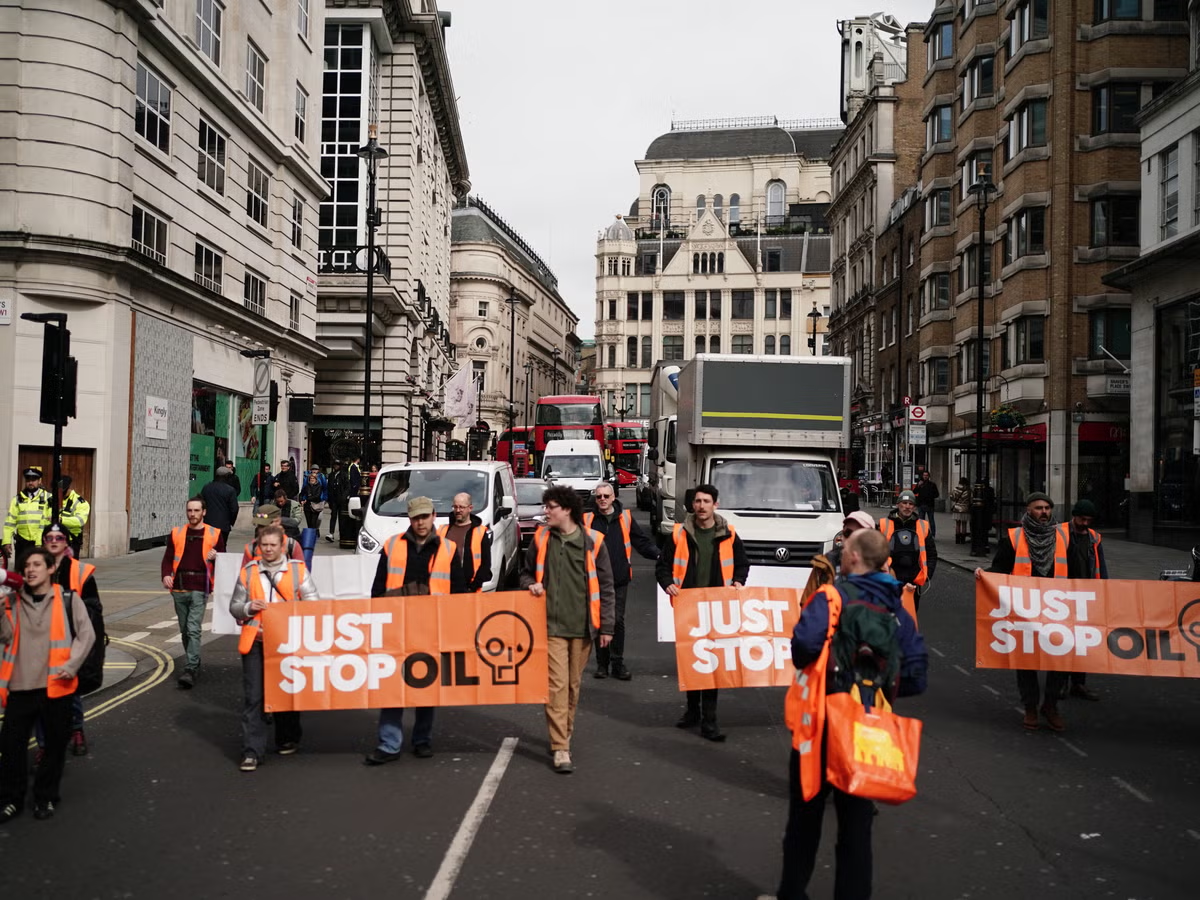
- Climate & direct action: Just Stop Oil, Palestine Action, and others continue targeted disruptions, though new laws have reduced road-gluing incidents.
The Human Impact: Londoners Speak Out
Commuters miss appointments. Businesses lose thousands per day. Jewish and Muslim communities report heightened tension. Parents rearrange school runs. NHS staff struggle to reach hospitals.
One central London shop owner told local media in 2025: “We’ve had three Saturdays in a row with zero footfall because of marches.” Taxi drivers and delivery riders lose hours in gridlock.
Sadiq Khan’s Balancing Act in 2026
Khan consistently says he supports “peaceful and lawful protest” while condemning violence and hate. After the September 2025 far-right march he highlighted “racism” on the streets and urged Londoners to reject division. Critics from both left and right accuse him of inconsistency — too soft on some marches, too quick to condemn others. The Mayor has no direct operational control over the Met, but his public stance shapes the tone.
Your Practical 2026 Guide to London Protests
If you want to protest:
- Know the law — locking on or causing “serious disruption” can mean arrest and a criminal record.
- Notify police in advance for larger events (not legally required but reduces risk).
- Film interactions — bodycams and live streams are now standard on both sides.
If you want to avoid them:
- Check TfL alerts, Met Police Twitter, and apps like Citymapper for real-time closures.
- Avoid Whitehall, Parliament Square, Trafalgar Square, Oxford Street, and Waterloo on weekends.
- Use the map below for typical routes:
Safety tips for everyone:
- Carry water, ID, and a charged phone.
- Stay calm if kettled or stopped.
- Report hate crime or excessive force via 101 or online.
The Future of Protests in London
With a possible new government, ongoing global tensions, and climate targets approaching, protests aren’t going away. The Met says 2025-2026 was already the busiest period on record. Expect continued high costs, legal challenges to the 2022/2023 laws, and innovative protest tactics that test the boundaries.
Bottom line: London’s right to protest is alive — but it now comes with higher stakes, bigger bills, and more rules than in 2019.
Whether you’re marching for change or just trying to get to work, understanding the landscape is key. Have you been caught in a London protest recently? Share your story in the comments — and bookmark this page for the next big one.
Sources include Met Police FOI releases, GLA Mayor’s Questions, Human Rights Watch 2026 report, NPR, The New York Times, The Guardian, and official 2025 funding announcements. Data current as of February 2026.
